masaimara.info
Menu
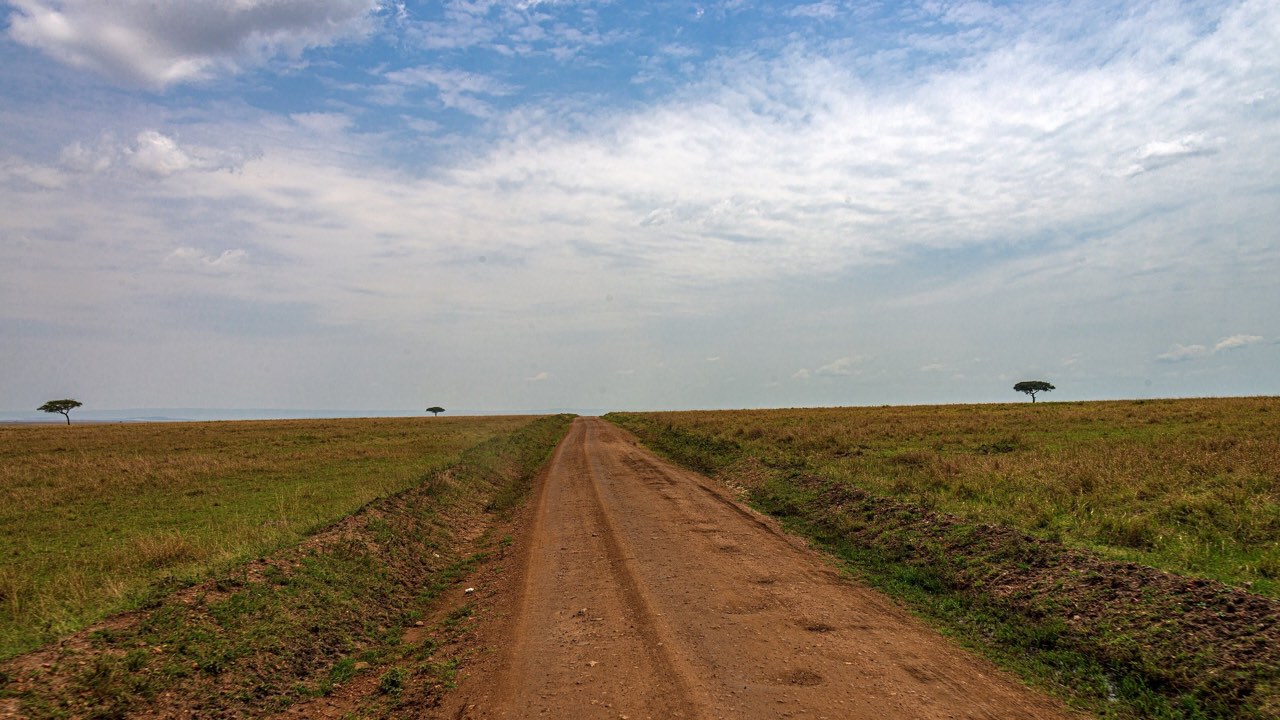
A dirt track across the open plains of the Mara

HifadhiThe land around the reserve

Masai Mara conservancies: rules, camps and who gets in

The Masai Mara conservancies are private and community land around the Maasai Mara National Reserve in Masai Mara, Kenya, where the camps lease the land from Maasai landowners: as Mara North Conservancy puts it, the conservancy fees the camps collect fund the landowners' monthly lease payments. The Maasai Mara Wildlife Conservancies Association counts 25 of them, spanning over 180,000 hectares. Some allow what the reserve bans, night drives and guided walks. Some admit only their own camps' guests, who pay the conservancy fee through the camp. Want a gate ticket and the reserve's plains? Stay in or beside the reserve. Want fewer vehicles, walks or night drives? Pick a conservancy whose rules offer them.

Photo: Daniel Case / Wikimedia Commons, CC BY-SA 4.0

Some links on this page are affiliate links: the guide earns a commission when you book through them. The partner sets the price; the guide adds no fee.

The choice is about rules, not scenery. The reserve's management plan sets the rules for both its parts, the Mara Conservancy adds its own in the Triangle, and both sell a day ticket at the gate; who runs which part is on the national reserve page. Each conservancy writes its own rules, so read the table first, then book a camp in a conservancy that allows what you came for. Where to stay weighs the three kinds of base.

SheriaReserve and conservancies side by side

The rules, land by land

The first two columns are the two parts of the reserve, the other four are conservancies. Pick what you want to do, and the lands whose own rules offer it light up.

Show me where I can

Six lands, seven rules. A gray cell means the land's own rules do not state it.

Walking is a stated option in 3 of the 6: Mara North, Naboisho and Nashulai.

Night drives are a stated option in 3 of the 6: Mara North, Naboisho and Nashulai.

A day visit is open in 3 of the 6: Narok side, Mara Triangle and Nashulai.

Narok side

Reserve, east of the Mara River

Night drives
Banned throughout the reserve (reserve management plan 2023 to 2032)
Walking
Banned: no walking, horseback or bicycle safaris (reserve management plan 2023 to 2032)
Off the road
Never in the High Use Zone or the Mara River Zone; elsewhere only to view big cats seen from the road, then straight back
Vehicles at a sighting
Off the road in the Low Use Zone: at most 5 vehicles at a big cat, 25 m (82 ft) away, 15 minutes when others wait
Who may enter
Anyone with a valid reserve ticket, through an approved entry point
Beds
31 lodges and camps with 1,382 beds in the whole reserve (May 2016 audit); no added beds allowed
Fee
USD 100 (1 January to 30 June) or USD 200 (1 July to 31 December) per person per day, non-resident adult; valid 6:00 to 18:00 on the day

Mara Triangle

Reserve, west of the Mara River

Night drives
Banned: the reserve plan covers the Triangle too
Walking
Banned: no walking, horseback or bicycle safaris (reserve plan)
Off the road
Never in the High Use or River zones; in the Low Use Zone only for lion, leopard and cheetah, to within 25 m (82 ft), back the way you came
Vehicles at a sighting
At most 5 vehicles; 10 minutes when more than five wait, the rest 100 m (328 ft) away
Who may enter
Anyone with a valid reserve ticket, through an approved entry point
Beds
2 places to stay: Mara Serena Safari Lodge and Little Governors' Camp
Fee
USD 100 (1 January to 30 June) or USD 200 (1 July to 31 December) per person per day, non-resident adult; valid 6:00 to 18:00 on the day

Mara North

Conservancy

Night drives
Only in designated areas, red filters on spotlights, back in camp by 22:00
Walking
Always guided, after a waiver, with an armed guide, a tracker and a tail tracker; member camps walk anywhere but Leopard Gorge (2017 code)
Off the road
Only to view wildlife; for the Big Five, the shortest route off the track, 20 m (66 ft) away
Vehicles at a sighting
At most 5 vehicles, the rest 100 m (328 ft) away; 10 minutes, then give way (the finder may stay); 20 m (66 ft) from animals
Who may enter
Guests of the member camps, booked through the camps; minibuses prohibited (older brochure)
Beds
219 beds in 13 member camps (2018 plan), aiming at no less than 350 acres per bed
Fee
Collected by the member camps, which quote it, and passed on for the landowners' monthly leases

Naboisho

Conservancy

Night drives
Listed among its activities
Walking
Guided walking listed among its activities, with bush meals and fly camping
Off the road
not stated
Vehicles at a sighting
not stated
Who may enter
Only guests of its partner camps; no day trips
Beds
"only eight tourism camps and a maximum of 150 beds", in its words; its camp list names nine
Fee
Charged through your camp when you book; the camp quotes it

Olare Motorogi

Conservancy

Night drives
not stated
Walking
not stated
Off the road
not stated
Vehicles at a sighting
One game-viewing vehicle per 2,100 acres: a limit per area, not per sighting (2018 page)
Who may enter
not stated
Beds
At most 94 beds in five camps (2018 page); no camp larger than 24 beds
Fee
No amount stated; camps give USD 5 per guest per night to The Maa Trust on top of their rent (2018 page)

Nashulai

Conservancy

Night drives
Offered, to day visitors too
Walking
Walking safaris with a Maasai ranger, for day visitors too
Off the road
not stated
Vehicles at a sighting
not stated
Who may enter
Day visitors as well as guests of its camps
Beds
Two camps, Wageni and Oldarpoi; no bed count stated
Fee
not stated

Reserve rules: Narok County's reserve management plan 2023 to 2032 and the Mara Conservancy's park rules. Reserve fees: Narok County's 2025/26 schedule and the Mara Conservancy's rates, listed 12 November 2026. Conservancy rules: each conservancy's own pages and codes; a date in brackets is the date of that document.

A lioness lying beside a safari vehicle on a track in the reserve
In the reserve, the plan allows at most five vehicles around lions, rhinos, leopards and cheetahs; the others wait at least 100 m (328 ft) away. Mara North sets the same limit.
A dead acacia and a distant ridge on the plains of the Mara Triangle
The Mara Triangle adds rules of its own: getting out of the vehicle is an offence except at picnic trees, and you leave the park or are back in camp by 19:00. More on the Mara Triangle page.

A gray cell is a gap, not a permission: Olare Motorogi refers to a strict code of conduct for camps, clients and guides but does not publish it. Of the four in the table, Mara North is the one with its rules online: its game drive etiquette and 2017 code of conduct. The reserve adds rules for the herds: no blocking a river crossing, and no getting out at or near the crossing areas; the migration page and the Masai Mara map show where.

LangoGetting in and paying

Who gets in, and what you pay

USD 200Reserve, per person per day, non-resident adult, 1 July to 31 December

USD 150Enonkishu Conservancy, non-resident adult; per day or per night not stated

The reserve sells its ticket to anyone: every visitor enters through an approved entry point with a valid reserve ticket, at USD 100 per non-resident adult per day from 1 January to 30 June and USD 200 from 1 July to 31 December, valid 6:00 to 18:00 on the day. The rate card charges the same whether you sleep inside or outside the park; the entrance fee page counts your ticket days.

The conservancies work through their camps. Mara North takes no bookings itself: you book with a member camp, and the camps collect the conservancy fee and pass it on to fund the landowners' monthly lease payments (Our Story). Naboisho is stricter: you cannot stay in or visit it without staying at a partner camp, and it allows no day trips; it takes no bookings, and its fee is handled by the camp when you book (Naboisho FAQ). In both, the camp quotes the fee.

A few sell days out. Nashulai offers day visits: e-bike tours, walks with a Maasai ranger, night game drives, a ranger patrol and community visits (Visit us). Ol Choro Oiroua runs a fenced sanctuary for southern white rhinos with guided walks to them, bookable through its site, with no price stated (rhino sanctuary).

Reserve gate
The Sekenani Gate of the Maasai Mara National Reserve, Kenya.Photo: Ninara / Wikimedia Commons, CC BY 2.0

BeiThe one published conservancy fee

  • Non-resident adult USD 150
  • Non-resident child aged 2 to 12 USD 85
  • East African resident adult, outside the premium season USD 40
  • Vehicle USD 20 per vehicle of up to 9 seats (Enonkishu Conservancy)
  • Guide USD 20

VAT included, children under 2 free; the page does not say per day or per night. From 1 June to 1 September and 15 December to 8 January there are no East African resident rates and everyone pays non-resident rates. Source: Enonkishu Conservancy's fee page.

A lone acacia at dawn on the Mara plains in the long rains

Photo: Kandukuru Nagarjun / Wikimedia Commons, CC BY 2.0

WatuLand owned by Maasai families

Around the reserve, conservancy fees fund monthly lease payments to Maasai landowners, Mara North Conservancy states.

RamaniWhere the conservancies lie

Ten conservancies and their camps

Locator drawing of the reserve and ten conservancies The reserve and the Mara Triangle in the south-west, Mara North and its neighbors to the north, Naboisho and Ol Kinyei to the east, Olderkesi in the south-east. Numbers match the list beside the drawing. Narok side Mara Triangle 1234567910
  1. Mara North
  2. Naboisho
  3. Olare Motorogi
  4. Ol Kinyei
  5. Mara Lemek
  6. Ol Choro Oiroua
  7. Enonkishu
  8. Mara Siana
  9. Nashulai
  10. Olderkesi
Outlines and positions: © OpenStreetMap contributors. Mara Siana (8) has no outline in the map data and is not drawn. Gray outlines are other conservancies; the reserve is shaded, the Mara Triangle darker; blue lines are the Mara and Talek rivers.
Elephants
An elephant at the foot of an acacia tree in the northern Mara, Kenya.Photo: Daniel Case / Wikimedia Commons, CC BY-SA 4.0

The big figure in each tile is the area on the association's profile card; the conservancy's own figure is often larger. Camps are those each conservancy names, or the pins on the association's map. The camps and lodges and hotels pages cover the whole Mara.

How many conservancies are there?

The association counts 25 (Maasai Mara Wildlife Conservancies Association, Strategic Plan 2026-2036), spanning over 180,000 hectares. Other counts are in use: 24 member conservancies "at different stages of development" on the association's homepage; the reserve and 23 conservancies in Kenya's 2023 UNESCO tentative-list entry; and 39 conservancies and conservation areas at four stages (18 established, 10 developing, 9 emerging, 2 potential) on the association's 2025 ecosystem map, drawn by the Wildlife Research and Training Institute.

  • 28,487 hectares

    1 · Mara North

    Association card · own figure more than 29,000 hectares (about 73,000 acres)

    12 tourism partners: 6 camps, 3 lodges, 3 riding outfits. Mara North in detail.

  • 22,500 hectares

    2 · Naboisho

    Association card · own figure 60,000 acres

    Camps: Asilia Naboisho Camp, Asilia Encounter Mara, Basecamp Wilderness, Hemingways Ol Seki Mara, Kicheche Valley Naboisho, Mara Nyika Camp, Porini Mara Camp, Saruni Eagle View, Saruni Leopard Hill. Naboisho in detail.

  • 15,200 hectares

    3 · Olare Motorogi

    Association card · association profile about 33,386 acres (13,511 ha), 288 landowners

    Camps: Porini Lion Camp, Kicheche Bush Camp, Mara Plains Camp, Olare Mara Kempinski and Mahali Mzuri. On Booking.com, Olare Mara Kempinski was listed at USD 3,610 for 2 adults, 2 nights, 14 to 16 February 2027, taxes and fees included, listed 12 November 2026; the card mentions no park or conservancy fee. Olare Motorogi in detail.

  • 7,544 hectares

    4 · Ol Kinyei

    Association card

    The association's map pins Porini Mara Camp, Porini Cheetah Camp and Porini Safari Cottages here. Naboisho lists Porini Mara Camp among its own camps too.

  • 7,021 hectares

    5 · Mara Lemek

    Association card

    The association's map pins Saruni Wild Camp here.

  • 6,472 hectares

    6 · Ol Choro Oiroua

    Association card

    Camps: Fairmont Mara Safari Club, Richard's Camp and Enkerende Island Lodge (camps). A fenced rhino sanctuary with guided walks. On Booking.com, Fairmont Mara Safari Club was listed at USD 2,823 for 2 adults, 2 nights in February 2027, USD 3,818 in August, taxes and fees included, listed 12 November 2026.

  • 1,624 hectares

    7 · Enonkishu

    Association card

    Its tourism partners are Collection in the Wild and Lalita, under strict codes of conduct with tracked vehicles and trained guides (Enonkishu). The one conservancy here with a public fee page: USD 150 per non-resident adult (Enonkishu Conservancy).

  • 35,322 acres

    8 · Mara Siana

    Its own figure

    Two camps operate in it and manage it: Entumoto Safari Camp and Ososian Mara Lodge. From Nairobi it is about 240 km (149 mi) by road, about 3 to 4 hours, as Mara Siana Conservancy puts it (Mara Siana). On Booking.com, Entumoto Safari Camp was listed at USD 3,464 for 2 adults, 2 nights in February 2027, USD 3,064 in August, taxes and fees included, listed 12 November 2026.

  • 4,856 hectares

    9 · Nashulai

    Association card · own figure 5,000 acres

    Camps: Wageni, the high-end one, and the mid-range tented Oldarpoi, staffed by community members. Launched on 14 July 2016, it describes itself as the first conservancy in the area created, governed and managed by the Maasai (story). Day visits are open.

  • 3,108 hectares

    10 · Olderkesi

    Association card

    The association's map pins Cottar's 1920s Safari Camp here.

Booking.com prices are the listing's total as shown on the date read; Booking.com places these camps in "Masai Mara" or "Ololaimutiek", and the conservancy named here is the one whose own list names the camp.

KambiThe north-western conservancy

Mara North Conservancy

28,487 hectaresAssociation profile card

29,000 hectaresMara North's own figure, more than

  • FoundedJanuary 2009
  • Partners12 tourism partners and over 1,000 Maasai landowners, with a board elected equally by both
  • Beds219 in 13 member camps, each paying a fixed monthly fee per bed (2018 plan)
  • AirstripMara North airstrip, 5,515 ft (1,681 m), served from Nairobi Wilson by Safarilink and AirKenya

Mara North forms the north-western zone of the ecosystem and borders the reserve (Our Story). Its game drive etiquette is the most detailed rule book of the four conservancies in the table: 10 minutes at a sighting before you give way, though the vehicle that found the animal may stay, 20 m (66 ft), roughly four vehicle lengths, from the animals, and night drives only in designated areas, with red filters on the spotlights.

Walking has its own code from 2017: every walk is guided, every walker signs a waiver at camp, and the guide carries a rifle and two radios and walks with a tracker and a tail tracker. Member camps may walk anywhere in the conservancy except Leopard Gorge; Governors Camp walks only in one area (code of conduct). An older brochure adds that minibuses are strictly prohibited.

On beds, the 2018 management plan says Mara North and its neighbors aim for no less than 350 acres per bed, and that with 219 beds it then had 287 acres per bed (management plan). You book with a member camp. By road, the conservancy puts it at about 2 to 2.5 hours by road from Nairobi to Narok and about 3 hours by road from Narok to the conservancy (how to get there); see Nairobi to Masai Mara and the flights.

KambiGuests of its camps only

Mara Naboisho Conservancy

Naboisho calls itself a 60,000 acre community-led conservancy, and it is the clearest case of a closed one: you cannot stay in or visit it without staying at a partner camp, and day trips are not allowed. It takes no bookings or guest enquiries; you book with the camps directly (Naboisho FAQ).

It says it operates with "only eight tourism camps and a maximum of 150 beds" (responsible tourism), while its camp list names nine (where to stay). Its activities are guided walking, bush meals, fly camping and night game drives; it prints no rules for vehicles at sightings or for leaving the track.

Ol Seki and Naboisho airstrip are one airstrip under two names, so a flight ticket may say either. Naboisho also states that the Great Migration does not pass through it, that the herds move mainly through the neighboring reserve, and that wildlife moves in and out all year. If the herds are your reason to go, read the migration page first; other wildlife is on Masai Mara animals.

150Most beds Naboisho allows, its own figure

22,500 hectaresAssociation profile card

KambiFive small camps

Olare Motorogi Conservancy

94Most beds, conservancy page dated 2018

15,200 hectaresAssociation profile card

  • Porini Lion Camp10 tents
  • Kicheche Bush Camp6 tents
  • Mara Plains Camp7 tents
  • Olare Mara Kempinski12 tents
  • Mahali Mzuri12 suites, at most 24 guests

Camp sizes as the conservancy's where to stay page gives them; it says no camp is larger than 24 beds.

Olare Motorogi joins two pieces of land: Olare Orok Conservancy, formed in May 2006 with 277 Maasai landowners, later grew to take in the Motorogi lands. Its 288 landowners agreed to move their homes and allow only carefully managed cattle grazing, says the association's profile.

Its limits come in numbers. Its facts page, dated 2018, says tourism is held to at most 94 beds in five light-footprint camps, which it equates to one game-viewing vehicle per 2,100 acres, and it requires semi-permanent camps with no foundations (facts). Its code of conduct is not published: ask your camp about walks and night drives.

Money to the community runs two ways, as the conservancy states it: camps give USD 5 per guest per night to The Maa Trust on top of their monthly rent (benefits), and the Mara Plains Camp text says guests' conservation fees support over 1,000 Maasai families. It has its own Olare Orok airstrip, at 1,728 m (5,669 ft), with scheduled Safarilink and AirKenya flights from Nairobi Wilson taking "roughly an hour" (how to get here).

KambiBeds and space

How many beds each one allows

  • Olare Motorogi94

    Cap: at most this many beds (conservancy page, 2018)

  • Naboisho150

    Cap: a maximum of this many beds (conservancy page)

  • Mara North219

    Count: beds in its member camps (management plan, 2018 draft)

Beds in three conservancies, each as its own document states it. Two are caps, one is a count; the conservancies are of different sizes.

Bed limits keep a conservancy quiet. The reserve counted 31 lodges and tented camps with 1,382 beds across both of its parts in a May 2016 audit, and its plan allows no new accommodation and no added beds anywhere in the reserve (management plan). Inside the Mara Triangle there are only two: Mara Serena Safari Lodge and Little Governors' Camp.

Mara North aims for no less than 350 acres per bed. In the association's magazine, Jonathan and Angela Scott say the model ideally means one visitor per 350 acres and strict limits on how many vehicles may leave the track at special sightings (Voice of the Mara).

Safari cost adds up a whole stay; the safari page compares the ways to go.

WatuLand, leases and law

Who owns the land, and where the money goes

25Conservancies, association's Strategic Plan 2026 to 2036

8Conservancies in 2015, same plan

A conservancy is a lease. Tourism partners pay the landowners a guaranteed fee per acre every month for the right to run a limited number of camps, as Jonathan and Angela Scott describe it, and Mara North says the fees its camps collect go to the monthly lease payments and to land management. The association's Strategic Plan counts eight conservancies covering 90,000 ha in 2015 and 25 covering over 180,000 hectares in 2025 (Strategic Plan).

The association's first-quarter newsletter of 2026 says the 2021 and 2025 aerial census surveys found over 85% of the Mara's wildlife in the conservancies (newsletter). And there is now a county law: the Narok County Assembly passed the Narok County Wildlife Conservancies Act, 2026 on 29 July 2026, and the governor signed it on 31 July 2026 (newsletter).

More on the landowners' lives today: the Maasai people and Maasai village visits. All pages: the Masai Mara guide.

MaswaliAbout the conservancies

Conservancy questions

The association's list of conservancies: Maasai Mara Wildlife Conservancies Association. The reserve's rules in full: Narok County's management plan and the Mara Triangle's park rules.

How many conservancies are there in the Masai Mara?

The Maasai Mara Wildlife Conservancies Association counts 25 in its Strategic Plan 2026 to 2036, spanning over 180,000 hectares around the reserve. Other bodies count differently: the association's homepage says 24, Kenya's 2023 UNESCO entry 23, and the association's 2025 map lists 39 conservancies and conservation areas at every stage.

Do the Masai Mara conservancies charge an entrance fee?

Yes, but most do not publish it. Mara North and Naboisho charge a conservancy fee that the camps collect when you book, so your camp quotes it. Enonkishu publishes USD 150 per non-resident adult, without saying per day or per night. The reserve's own ticket is separate: USD 200 per non-resident adult per day from 1 July to 31 December.

Can you visit a Masai Mara conservancy for the day?

Some yes, some no. Naboisho allows no day trips, and Mara North is used only by its member camps, according to an older brochure. Nashulai sells day visits, with walks, night drives, a ranger patrol and community visits, and Ol Choro Oiroua takes bookings for walks in its rhino sanctuary. The reserve sells a day ticket to anyone at the gate.

Can you do night drives and walking safaris in the Masai Mara?

Not in the reserve: its plan bans night game drives and walking safaris on the Narok side and in the Mara Triangle. Some conservancies offer them to their guests. Mara North allows night drives in designated areas, back in camp by 22:00 and guided walks; Naboisho lists both; Nashulai offers both to day visitors too.

Which camps are in Mara North Conservancy?

Mara North says it has 12 tourism partners: 6 camps, 3 lodges and 3 riding outfits, and its 2018 management plan counted 13 member camps with 219 beds. The conservancy takes no bookings itself: you book through a member camp's own website, and the camp collects the conservancy fee.

Sources

  1. MMWCA states it has 24 member conservancies 'at different stages of development' (homepage and About page, read 2026-11-12). MMWCA: Who We Are (About Us).
  2. MMWCA CEO Daniel Sopia writes in the Strategic Plan 2026-2036 that the Greater Mara has 25 conservancies spanning over 180,000 hectares around the Maasai Mara National Reserve. MMWCA: Strategic Plan 2026 to 2036 (summary).
  3. MMWCA Strategic Plan 2026-2036 states the conservancy area grew from eight conservancies in 2015 (90,000 ha) to 25 in 2025 (over 180,000 ha). MMWCA: Strategic Plan 2026 to 2036 (summary).
  4. MMWCA's 2025/2026 ecosystem map (produced by WRTI, 2025) lists 39 conservancies and conservation areas in four stages: 18 established, 10 developing, 9 emerging, 2 potential. MMWCA: Mara Ecosystem Map 2026 (WRTI 2025).
  5. Enonkishu Conservancy's online fee page charges a non-resident adult USD 150 and a non-resident child aged 2 to 12 USD 85 per person (period per day or night not stated), VAT included; children under 2 are free. Enonkishu Conservancy: fee payment page on DPO Pay My Bills.
  6. Enonkishu Conservancy's online fee page charges an East African resident adult USD 40 and child USD 25, but states that in the premium season (1 June to 1 September and 15 December to 8 January) there are no East African resident rates and all visitors pay non-resident rates (USD 150 adult, USD 85 child). Enonkishu Conservancy: fee payment page on DPO Pay My Bills.
  7. Enonkishu Conservancy's online fee page charges USD 20 for a vehicle (a normal car or safari vehicle of no more than 9 seats) and USD 20 for a guide; payment by card or mobile money in USD, EUR, GBP, KES and other currencies. Enonkishu Conservancy: fee payment page on DPO Pay My Bills.
  8. MMWCA's conservancy profile card gives Enonkishu Conservancy an area of 1,624 ha. MMWCA: Mara Conservancies (member profiles).
  9. Enonkishu Conservancy names its regulated tourism partners as Collection in the Wild and Lalita, operating under strict codes of conduct with tracked vehicles and trained guides; Naretoi, a rewilded former farm with holiday homes, sits alongside. Enonkishu Conservancy: homepage.
  10. MMWCA's conservancy profile card gives Mara Lemek Conservancy an area of 7,021 ha. MMWCA: Mara Conservancies (member profiles).
  11. MMWCA's interactive conservancies map places these camp markers in the 'Lemek' region: Saruni Wild Camp. MMWCA: Mara Conservancies Map (MapSVG data, objects_6).
  12. MMWCA's interactive conservancies map places these camp markers in the 'Olderkesi Conservancy' region: 1920 Cottars Camp. MMWCA: Mara Conservancies Map (MapSVG data, objects_6).
  13. MMWCA's interactive conservancies map places these camp markers in the 'Olkinyei Conservancy' region: Porini Mara Camp; Porini Safari Cotagges; Porini Cheetah Camp. MMWCA: Mara Conservancies Map (MapSVG data, objects_6).
  14. MMWCA's conservancy profile card gives Mara North Conservancy an area of 28,487 ha. MMWCA: Mara Conservancies (member profiles).
  15. Mara North Conservancy rule: no more than 5 vehicles are permitted at a sighting; additional vehicles must wait 100 m away. Mara North Conservancy: Game Drive Etiquette.
  16. Mara North Conservancy rule: vehicles have 10 minutes at a sighting and then give way to waiting vehicles; the vehicle that found the sighting may stay indefinitely. Mara North Conservancy: Game Drive Etiquette.
  17. Mara North Conservancy rule: stay at least 20 m (roughly 4 vehicle lengths) from animals. Mara North Conservancy: Game Drive Etiquette.
  18. Mara North Conservancy rule: no off-road driving except to view wildlife; if the Big Five are spotted, vehicles may leave the track by the shortest route and keep 20 m away. Mara North Conservancy: Game Drive Etiquette.
  19. Mara North Conservancy allows night game drives only in designated areas, with red filters on spotlights, and vehicles must be back in camp by 10.00 pm. Mara North Conservancy: Game Drive Etiquette.
  20. Mara North Conservancy walking rule (2017 code): walking must always be guided and all walkers sign a waiver at their camp; guides must carry a rifle, 2 handheld radios and walk with a tracker and a tail tracker. Mara North Conservancy: Game Drive Code of Conduct including Walking (2017-05-31), 2017-05-31.
  21. Mara North Conservancy (2017 code): member camps may walk freely across the conservancy except Leopard Gorge; Governors Camp walks only in a specific area. Mara North Conservancy: Game Drive Code of Conduct including Walking (2017-05-31), 2017-05-31.
  22. Mara North Conservancy states conservancy fees are collected by member tourism partners and forwarded to the conservancy to fund the monthly landowner lease payments and land management. Mara North Conservancy: About Us / Our Story.
  23. Mara North Conservancy's About page states it is a partnership between 12 tourism partner members (6 camps, 3 lodges, 3 riding outfits) and over 1,000 Maasai landowners, with a board elected equally by both groups. Mara North Conservancy: About Us / Our Story.
  24. Mara North Conservancy's Our Story page states it covers more than 29,000 hectares (~73,000 acres), forms the north-western zone of the Maasai Mara ecosystem bordering the Maasai Mara National Reserve, and was established in January 2009. Mara North Conservancy: About Us / Our Story.
  25. Mara North Conservancy states bookings are made with member camps through their own websites (the conservancy does not take bookings). Mara North Conservancy: homepage.
  26. Mara North Conservancy's (older) brochure states the conservancy is used exclusively by its then 12 member camps, minibuses are strictly prohibited, and guests may game drive by day and at night; night drives are organized in designated areas only, with vehicles back in camp by 10 pm. Mara North Conservancy: brochure (undated, uploaded 2017-09).
  27. Mara North airstrip is at S 01°08.73' E 35°07.48', elevation 5,515 ft, served from Nairobi Wilson by Safarilink and Airkenya (conservancy page). Mara North Conservancy: How to Get There.
  28. Mara North Conservancy's Management Plan 2018-2022 (final draft, 2018) states MNC 'currently' has 13 member camps with a total of 219 beds within MNC, each paying a fixed monthly fee per bed, totalling US$1.8 million a year. Mara North Conservancy: Management Plan 2018-2022 (final draft).
  29. Mara North Conservancy Management Plan 2018-2022 states MNC, in agreement with neighbouring conservancies, aims for a minimum of 142 ha (350 acres) per bed; with 219 beds on 25,438 ha it had 287 acres per bed. Mara North Conservancy: Management Plan 2018-2022 (final draft).
  30. MMWCA's conservancy profile card gives Mara Naboisho Conservancy an area of 22,500 ha. MMWCA: Mara Conservancies (member profiles).
  31. Mara Naboisho Conservancy states you cannot stay in or visit Naboisho without staying at one of its partner camps. Mara Naboisho Conservancy: Get in Touch (FAQs).
  32. Mara Naboisho Conservancy does not permit day trips. Mara Naboisho Conservancy: Get in Touch (FAQs).
  33. Mara Naboisho Conservancy charges a conservancy fee, managed by its tourism partners (camps) when you book your stay; no amount is published. Mara Naboisho Conservancy: Get in Touch (FAQs).
  34. Mara Naboisho Conservancy states Ol Seki and Naboisho airstrip are the same airstrip under two names. Mara Naboisho Conservancy: Get in Touch (FAQs).
  35. Mara Naboisho Conservancy states the Great Migration does not pass through Naboisho; the herds move mainly through the neighbouring reserve, though wildlife movement in and out stays high year-round. Mara Naboisho Conservancy: Get in Touch (FAQs).
  36. Mara Naboisho Conservancy does not handle camp bookings or guest enquiries; book with the camps directly. Mara Naboisho Conservancy: Get in Touch (FAQs).
  37. Mara Naboisho Conservancy states it operates with only eight tourism camps and a maximum of 150 beds. Mara Naboisho Conservancy: Responsible Tourism.
  38. Mara Naboisho Conservancy lists guided walking, bush meals, fly camping and night game drives among its activities. Mara Naboisho Conservancy: Responsible Tourism.
  39. Mara Naboisho Conservancy lists its camps as: Asilia Naboisho Camp, Asilia Encounter Mara, Basecamp Wilderness, Hemingways Ol Seki Mara, Kicheche Valley Naboisho, Mara Nyika Camp, Porini Mara Camp, Saruni Eagle View, Saruni Leopard Hill. Mara Naboisho Conservancy: Where to Stay (site menu).
  40. Mara Naboisho Conservancy describes itself as a 60,000 acre community-led conservancy. Mara Naboisho Conservancy: homepage.
  41. MMWCA's conservancy profile card gives Nashulai Maasai Conservancy an area of 4,856 ha. MMWCA: Mara Conservancies (member profiles).
  42. Nashulai Maasai Conservancy offers day visits (not only stays): e-bike tours, walking safaris with a Maasai ranger, night game drives, joining a ranger patrol, an underground water-level photographic hide (including night viewing) and community and manyatta visits. Nashulai Maasai Conservancy: Visit Nashulai.
  43. Nashulai Maasai Conservancy's camps are the high-end Wageni camp and the mid-range tented Oldarpoi, staffed by Nashulai community members. Nashulai Maasai Conservancy: Visit Nashulai.
  44. Nashulai Maasai Conservancy was launched on 14 July 2016 and describes itself as the first Maasai conservancy in the Maasai Mara created, governed and managed by the Maasai; it states an area of 5,000 acres bordering the reserve. Nashulai Maasai Conservancy: Our Story.
  45. MMWCA's conservancy profile card gives Ol Kinyei Conservancy an area of 7,544 ha. MMWCA: Mara Conservancies (member profiles).
  46. MMWCA's conservancy profile card gives Ol Choro Oirouwa Conservancy an area of 6,472 ha. MMWCA: Mara Conservancies (member profiles).
  47. Mara Olchoro Conservancy lists its camps as Fairmont Mara Safari Club, Richard's Camp and Enkerende Island Lodge. Mara Olchoro Conservancy: Our Exclusive Camps.
  48. Mara Olchoro Conservancy runs a fenced rhino sanctuary for southern white rhinos guarded by trained rangers and offers guided walks to view the rhinos; visits can be booked through the site (no price stated). Mara Olchoro Conservancy: Rhino Sanctuary.
  49. MMWCA's conservancy profile card gives Olderkesi Conservancy an area of 3,108 ha. MMWCA: Mara Conservancies (member profiles).
  50. MMWCA's conservancy profile card gives Olare Motorogi Conservancy an area of 15,200 ha. MMWCA: Mara Conservancies (member profiles).
  51. MMWCA's profile states Olare Motorogi (a combination of Olare Orok and Motorogi conservancies) covers approximately 33,386 acres with 288 landowners, who agreed to move their homes and allow only carefully managed cattle grazing. MMWCA: Mara Conservancies (member profiles).
  52. Olare Motorogi Conservancy's page (dated 14 May 2018) states tourism is limited to a maximum of 94 beds in five light-footprint camps, equal to one game-viewing vehicle per 2,100 acres. Olare Motorogi Conservancy: Facts, 2018-05-14.
  53. Olare Motorogi Conservancy states Olare Orok Conservancy was formed in May 2006 with 277 Maasai landowners and later expanded to include Motorogi lands. Olare Motorogi Conservancy: Facts, 2018-05-14.
  54. Olare Motorogi Conservancy requires semi-permanent camps with no foundations and a strict code of conduct for camps, clients and guides. Olare Motorogi Conservancy: Facts, 2018-05-14.
  55. Olare Motorogi Conservancy lists five partner camps: Porini Lion Camp and Kicheche Bush Camp (founder members), Mara Plains Camp, Olare Mara Kempinski and Mahali Mzuri; none larger than 24 beds. Olare Motorogi Conservancy: Where to stay, 2019-04-15.
  56. Olare Motorogi Conservancy's camp descriptions give: Kicheche Bush Camp 6 tents, Mahali Mzuri 12 suites (max 24 guests), Mara Plains Camp 7 tents, Olare Mara Kempinski 12 tents, Porini Lion Camp 10 tents. Olare Motorogi Conservancy: Where to stay, 2019-04-15.
  57. Olare Motorogi Conservancy's page (dated 14 May 2018) gives its own airstrip as Olare Orok airstrip (1°19'33.77"S 35°14'57.23"E, 1,728 m / 5,669 ft), with scheduled Safarilink and Air Kenya flights from Nairobi Wilson taking roughly an hour, and a 5-6 hour drive from Nairobi. Olare Motorogi Conservancy: How to get here, 2018-05-14.
  58. Olare Motorogi Conservancy's page (dated 14 May 2018) states partner camps donate US$5 per guest per night to The Maa Trust, on top of the monthly rental payments. Olare Motorogi Conservancy: Benefits & Outreach, 2018-05-14.
  59. Olare Motorogi Conservancy (Mara Plains Camp text) states conservation fees paid by guests support over 1,000 Maasai families. Olare Motorogi Conservancy: Where to stay, 2019-04-15.
  60. The Narok County Assembly passed the Narok County Wildlife Conservancies Act, 2026 on 29 July 2026, and Governor Patrick Ntutu signed it into law on World Ranger Day (31 July 2026) at Oloolaimutia (MMWCA newsletter). MMWCA: End of Q3 newsletter 2026.
  61. MMWCA's Q1 2026 newsletter states the 2021 and 2025 aerial census surveys found over 85% of the Mara's wildlife is now in conservancies. MMWCA: Quarterly Newsletter Q1 2026.
  62. Jonathan and Angela Scott write in MMWCA's Voice of the Mara that the conservancy model ideally means a density of one visitor per 350 acres and strict regulation of the number of safari vehicles allowed to drive off-road at special sightings. MMWCA: Voice of the Mara, 9th Edition (December 2024), column by Jonathan and Angela Scott.
  63. Jonathan and Angela Scott write that tourism partners in the 15 unfenced conservancies bordering the reserve pay landowners a guaranteed fee per acre monthly for the right to run a limited number of camps. MMWCA: Voice of the Mara, 9th Edition (December 2024), column by Jonathan and Angela Scott.
  64. Mara Siana Conservancy states it covers 35,322 acres: a main core area of 7,185.9 acres (1,060 families, paid by tourism partners Entumoto and Ososian) and wildlife corridors of 28,136 acres (891 families, funded by WWF-Germany and GIZ). Mara Siana Conservancy: website (marasianaconservancy.org, text read from the site's script bundle).
  65. Mara Siana Conservancy states two camps operate within it, Entumoto Safari Camp and Ososian Mara Lodge (formerly Spirit of Maasai Mara), and that it is managed by these two camps. Mara Siana Conservancy: website (marasianaconservancy.org, text read from the site's script bundle).
  66. Kenya's 2023 UNESCO tentative-list entry states the Greater Maasai Mara Ecosystem comprises the reserve and 23 conservancies, and that the reserve is bounded by the Serengeti to the south, the Siria (Oloololo) escarpment to the west and Maasai pastoral ranches to the north, east and west. UNESCO World Heritage Centre: Tentative Lists, Maasai Mara Game Reserve (Ref. 6679), 2023-06-30.
  67. The reserve management plan 2023-2032 allows no new visitor accommodation and no expansion of existing bed capacity anywhere in the Maasai Mara National Reserve. Narok County: Maasai Mara National Reserve Management Plan 2023-2032 (Final, February 2023).
  68. A May 2016 audit cited in the reserve management plan counted 31 lodges and permanent or semi-permanent tented camps inside the Maasai Mara National Reserve with 1,382 beds. Narok County: Maasai Mara National Reserve Management Plan 2023-2032 (Final, February 2023).
  69. The Mara Conservancy / KAPS ticket rate card, co-branded with Narok County Government, charges a non-resident adult the same park fee whether accommodated inside or outside the park: USD 200 per person per day from July to December. Mara Conservancy / KAPS: Park Fees Itemization rate card (Nature Paas ticket portal).
  70. The Mara Conservancy ticket portal states that day tickets are valid 12 hours (6:00 to 18:00) and expire automatically at 6:00 pm, whatever time they are bought. Mara Conservancy / KAPS: Nature Paas ticket portal, 'Know Before You Go'.
  71. Under the reserve management plan, off-road driving is prohibited under all circumstances in the High Use Zone and the Mara River Ecological Zone of the Maasai Mara National Reserve. Narok County: Maasai Mara National Reserve Management Plan 2023-2032 (Final, February 2023).
  72. Under the reserve management plan, off-road driving in the Low Use Zone is allowed only to approach big cats, with at most 5 vehicles at a sighting, at least 25 meters from the cats, and at most 15 minutes when other vehicles are waiting. Narok County: Maasai Mara National Reserve Management Plan 2023-2032 (Final, February 2023).
  73. The reserve management plan visitor rules let vehicles leave the road to view big cats (lion, cheetah, leopard) sighted from the road anywhere except the Mara River Zone, returning directly afterwards, without following other vehicles' tracks in the Low Use Zone. Narok County: Maasai Mara National Reserve Management Plan 2023-2032 (Final, February 2023).
  74. The Maasai Mara National Reserve Management Plan 2023-2032 bans night game drives throughout the reserve (Narok side and Mara Triangle). Narok County: Maasai Mara National Reserve Management Plan 2023-2032 (Final, February 2023).
  75. The Maasai Mara National Reserve Management Plan 2023-2032 bans walking, horseback and bicycle safaris in the reserve. Narok County: Maasai Mara National Reserve Management Plan 2023-2032 (Final, February 2023).
  76. The reserve management plan requires every visitor to enter the Maasai Mara National Reserve through an approved entry point with a valid MMNR ticket. Narok County: Maasai Mara National Reserve Management Plan 2023-2032 (Final, February 2023).
  77. The reserve management plan visitor rules allow at most five vehicles around lions, rhinos, leopards and cheetahs; others must wait at least 100 meters away and vehicles must move on after 15 minutes when others are waiting. Narok County: Maasai Mara National Reserve Management Plan 2023-2032 (Final, February 2023).
  78. The Narok County Finance Act 2023 defines the Maasai Mara park entry fee as the amount charged for entry into the Maasai Mara from 6:00 am to 6:00 pm, regardless of the time of entry. Narok County Finance Act, 2023 (No. 3 of 2023), First Schedule: Maasai Mara National Reserve park fees and charges, 2023-10-13.
  79. The reserve management plan visitor rules forbid blocking migration river crossings by parking too close or driving through herds, and forbid getting out of the vehicle at or around crossing areas. Narok County: Maasai Mara National Reserve Management Plan 2023-2032 (Final, February 2023).
  80. Getting out of the vehicle in the Mara Triangle is an offence except at picnic trees. Mara Conservancy: Park Rules page (rules sheet and park rule violation fee chart).
  81. Mara Serena Safari Lodge and Little Governors' Camp are the only accommodations inside the Mara Triangle; the Conservancy owns no camp and does not take bookings. Mara Conservancy: Camps & Lodges.
  82. Mara Triangle rules require visitors to leave the park or be in their camp or lodge by 7:00 pm. Mara Conservancy: Park Rules page (rules sheet and park rule violation fee chart).
  83. Off-road driving is prohibited in the Mara Triangle's High Use Zone and River Zone; vehicles must keep to graded roads and cut tracks there. Mara Conservancy: Park Rules page (rules sheet and park rule violation fee chart).
  84. In the Mara Triangle's Low Use Zone, vehicles may leave the road only to approach big cats (lion, leopard, cheetah), to within 25 meters, and must return to the road by the route they came. Mara Conservancy: Driving to the Mara Triangle.
  85. No more than 5 vehicles are allowed at a wildlife sighting in the Mara Triangle; when more than five vehicles are waiting, viewing time is limited to 10 minutes and waiting vehicles must keep 100 meters away. Mara Conservancy: Park Rules page (rules sheet and park rule violation fee chart).
  86. On the Mara Triangle side, the 12-hour park entry ticket is valid from 6:00 am to 6:00 pm regardless of the time of entry and does not carry over overnight. Mara Conservancy: Conservation Fees page (fee tables as images named *-2024).
  87. Park, camping, vehicle and balloon fees. Narok County 2025/26 Park Fees & Charges and Narok County Finance Act 2023 (reserve, Narok side); Mara Conservancy conservation fees (Mara Triangle); Kenya Wildlife Service Conservation Fees 2025 (Nairobi, Amboseli, Lake Nakuru); Enonkishu Conservancy fee page
  88. Figures where sources differ. One register row per figure where official sources conflict (data/canon.json names the row, the body and the reason)
  89. Unit conversions. Metric figures with US equivalents (1 km = 0.621371 mi, 1 m = 3.28084 ft, 1 kg = 2.20462 lb, 1 ft = 0.3048 m, 1 acre = 0.404686 ha, °F = °C × 9/5 + 32)
  90. Travel times and distances. Drive times as stated by Mara North Conservancy, Mara Siana Conservancy, the Mara Conservancy, Safarilink and AirKenya; road distances from KeNHA, Narok County, Kenya Wildlife Service and Mara Siana Conservancy; flight times from the 2026 timetables of Safarilink, AirKenya, Governors' Aviation and Mombasa Air Safari